In a region with the highest rates of FGM worldwide, frontline women are leading a revolution to eradication
THE LAST FRONTIER
Across the Horn of Africa, in Somalia, Somaliland, Ethiopia, Eastern Kenya, and Djibouti, almost all women and girls are cut – often with the worst form of FGM, Type III (infibulation).
FGM, in the region we call the Somali Triangle, is tied to religious misconceptions and marriageability, and some regions even reach:
99%
PREVALENCE RATES.
FRONTLINERS IN ACTION
Ending FGM in these regions would be a major milestone in reducing the estimated 44,000 maternal deaths linked to FGM each year
THE ROUTE
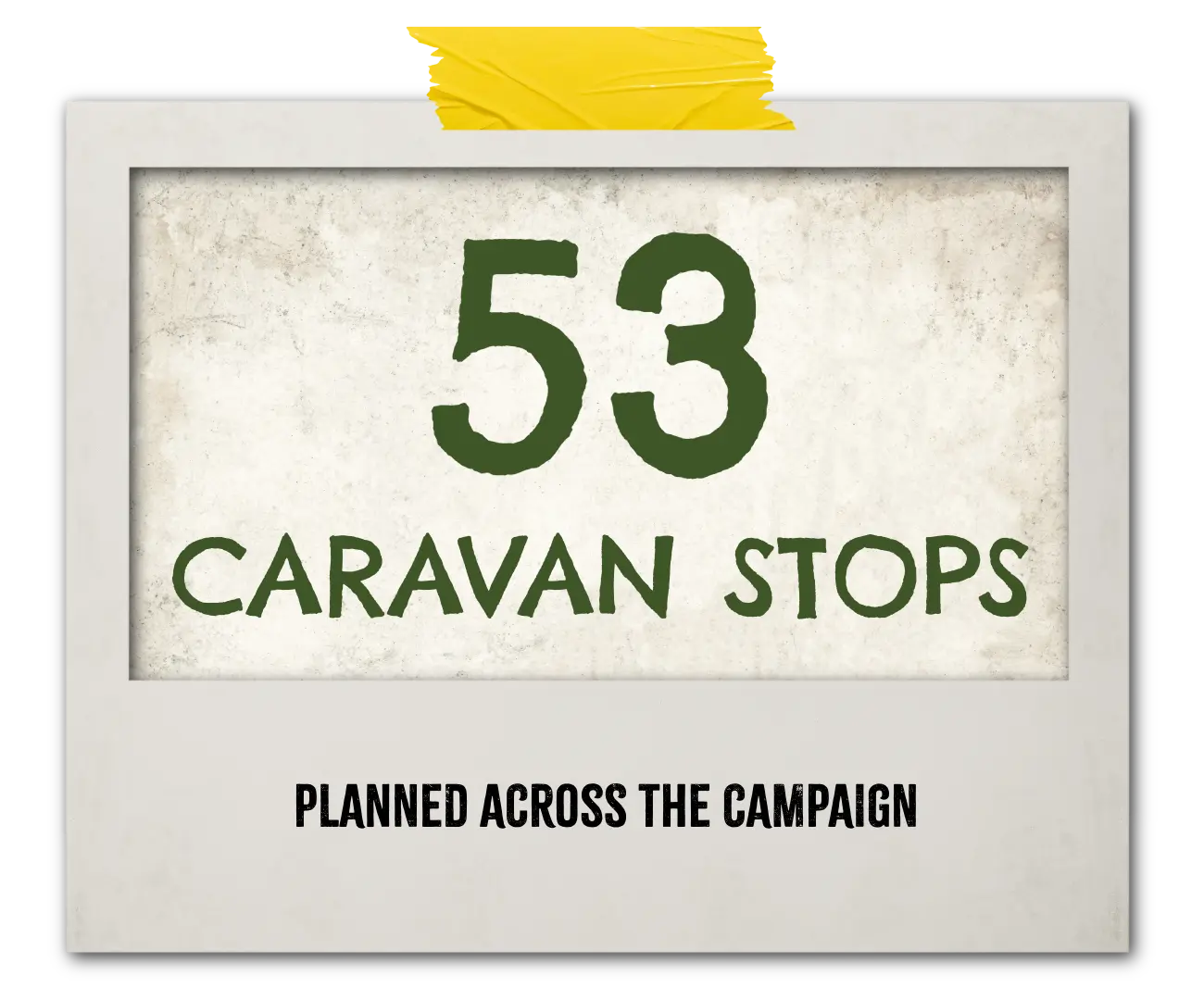
From November, during the 16 Days of Activism, the Born Perfect Caravans will begin a sustained journey across the Somali Triangle, continuing through to 6 February, International Day of Zero Tolerance for FGM.
Led by grassroots activists across the region, the cross-border campaign will travel from village to village, carrying the Born Perfect message into some of the areas where FGM remains most deeply entrenched.
The Born Perfect Caravans are not just being delivered—they are being independently evaluated.
Working with Vivid Research, the project is measuring changes in knowledge, attitudes and support for the law across Somalia and eastern Kenya, helping identify what works and where further action is needed.
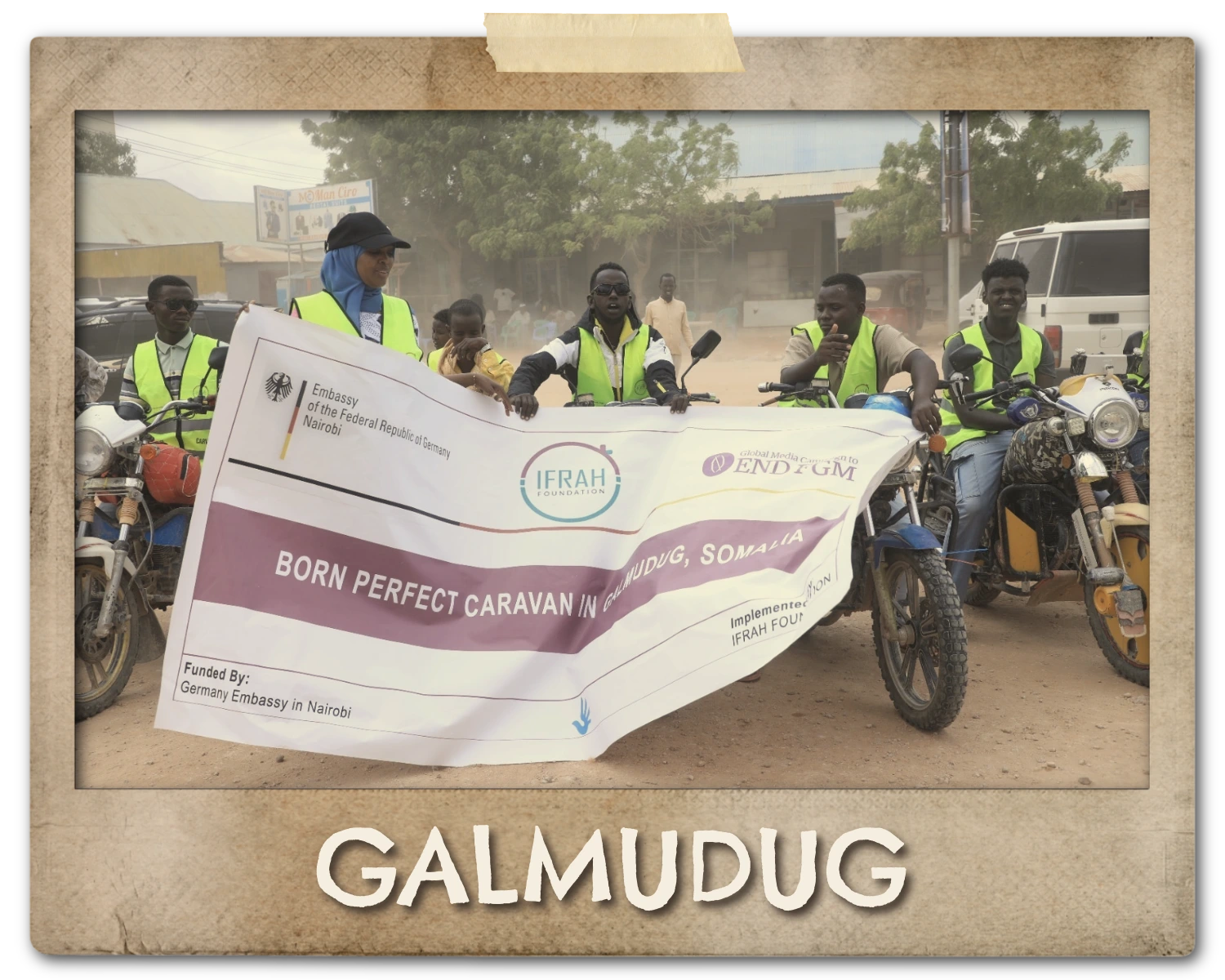
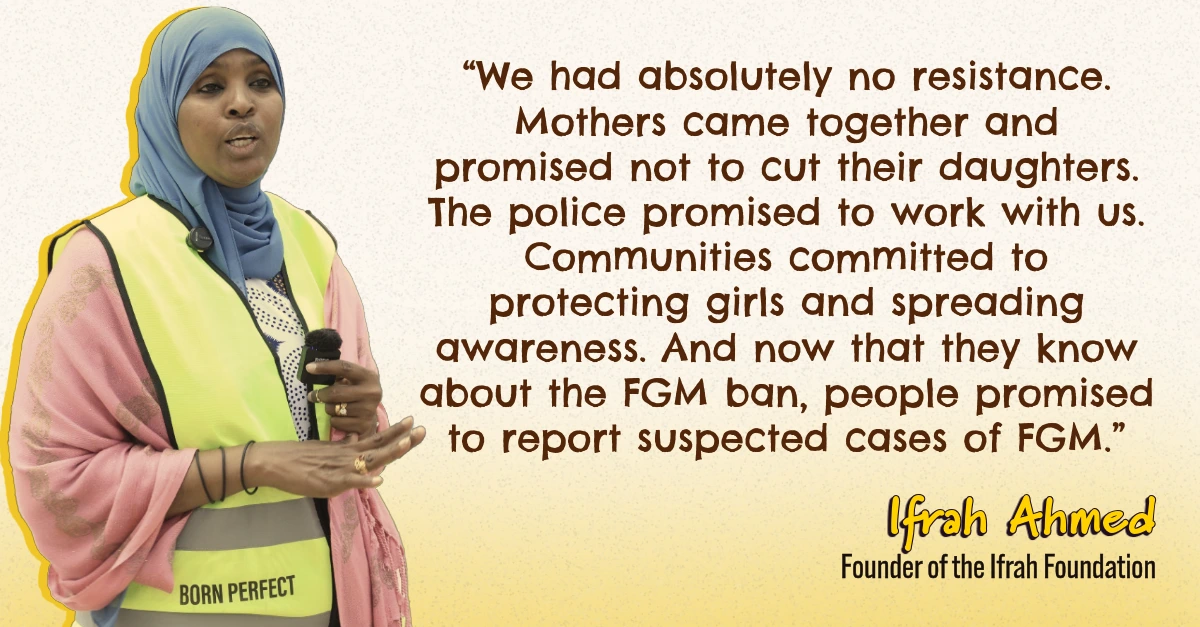
After more than a decade of campaigning for anti-FGM legislation, the Ifrah Foundation is now taking the new law into communities across Galmudug through the Born Perfect Caravans.
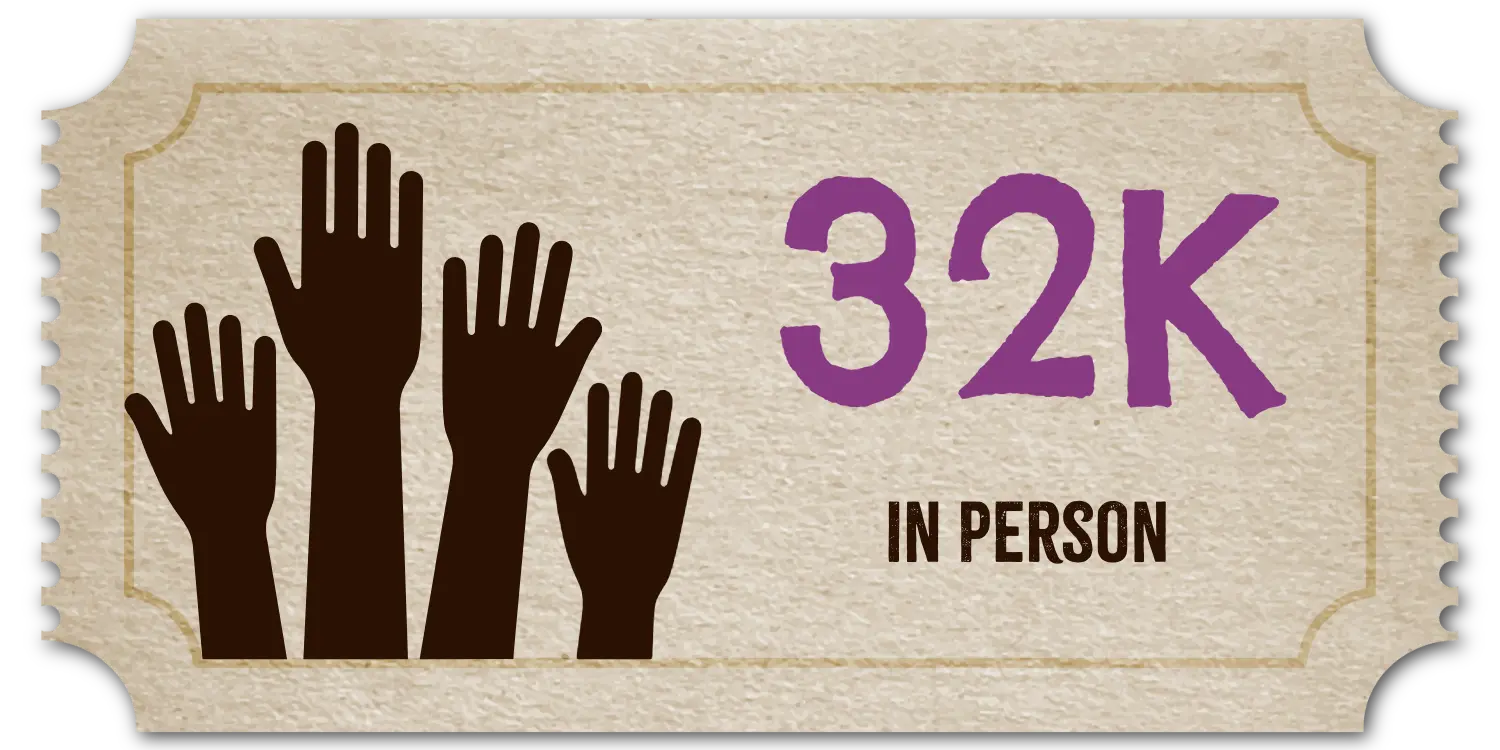
The first phase of the campaign has already reached over 3 million people through caravan events and national media. Over the coming months, the Caravans will continue their journey, bringing legal, medical and religious messaging to villages across the region.
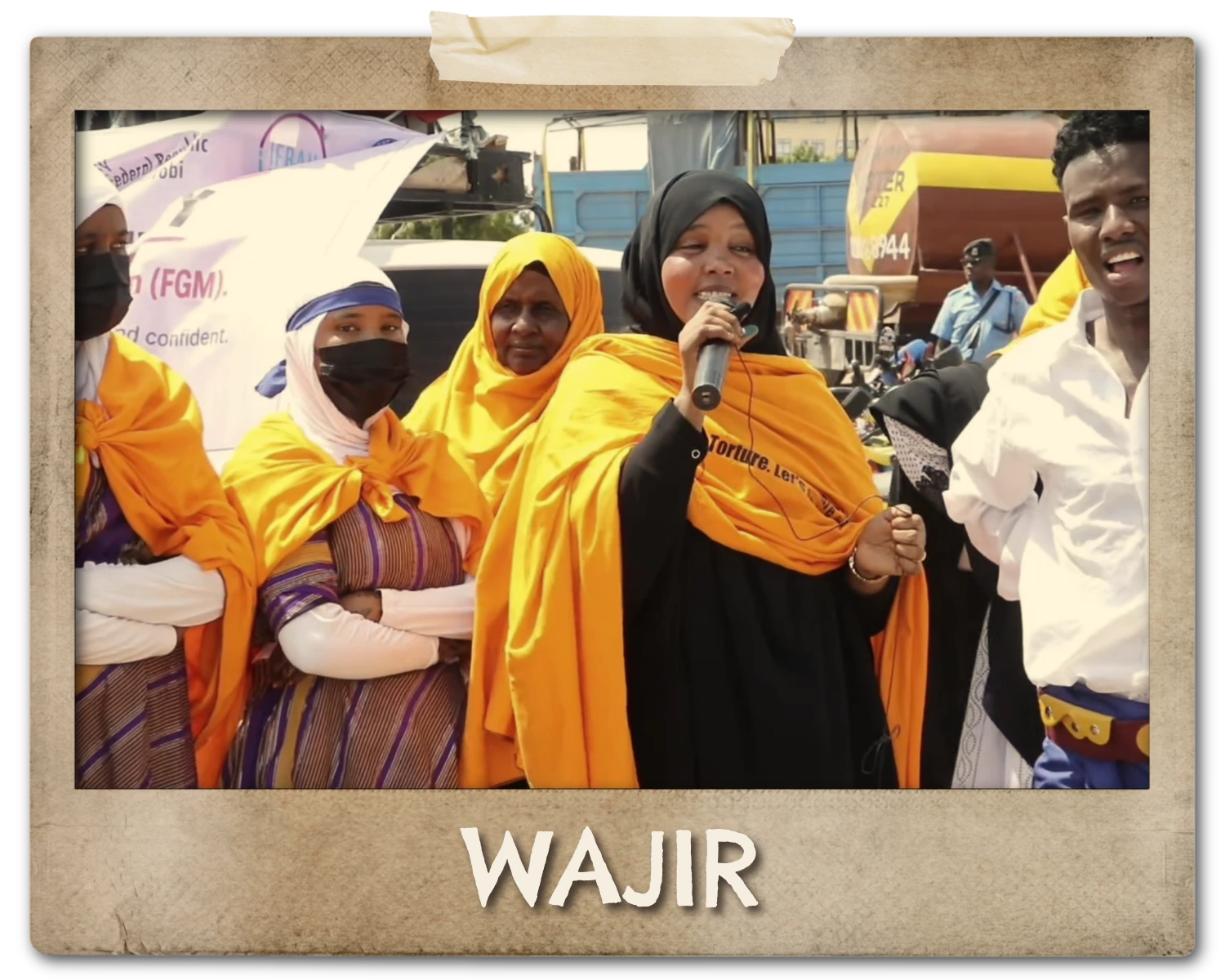
Led by WomenOrganising Women Network (WOWN), the Born Perfect Caravans have already reached more than 6,000 households across eight villages in Wajir, where almost 98% of women and girls undergo FGM.
Escorted by the National Police Service, the Caravans are continuing their journey across the county, bringing the campaign to communities that have often been left out of anti-FGM initiatives.
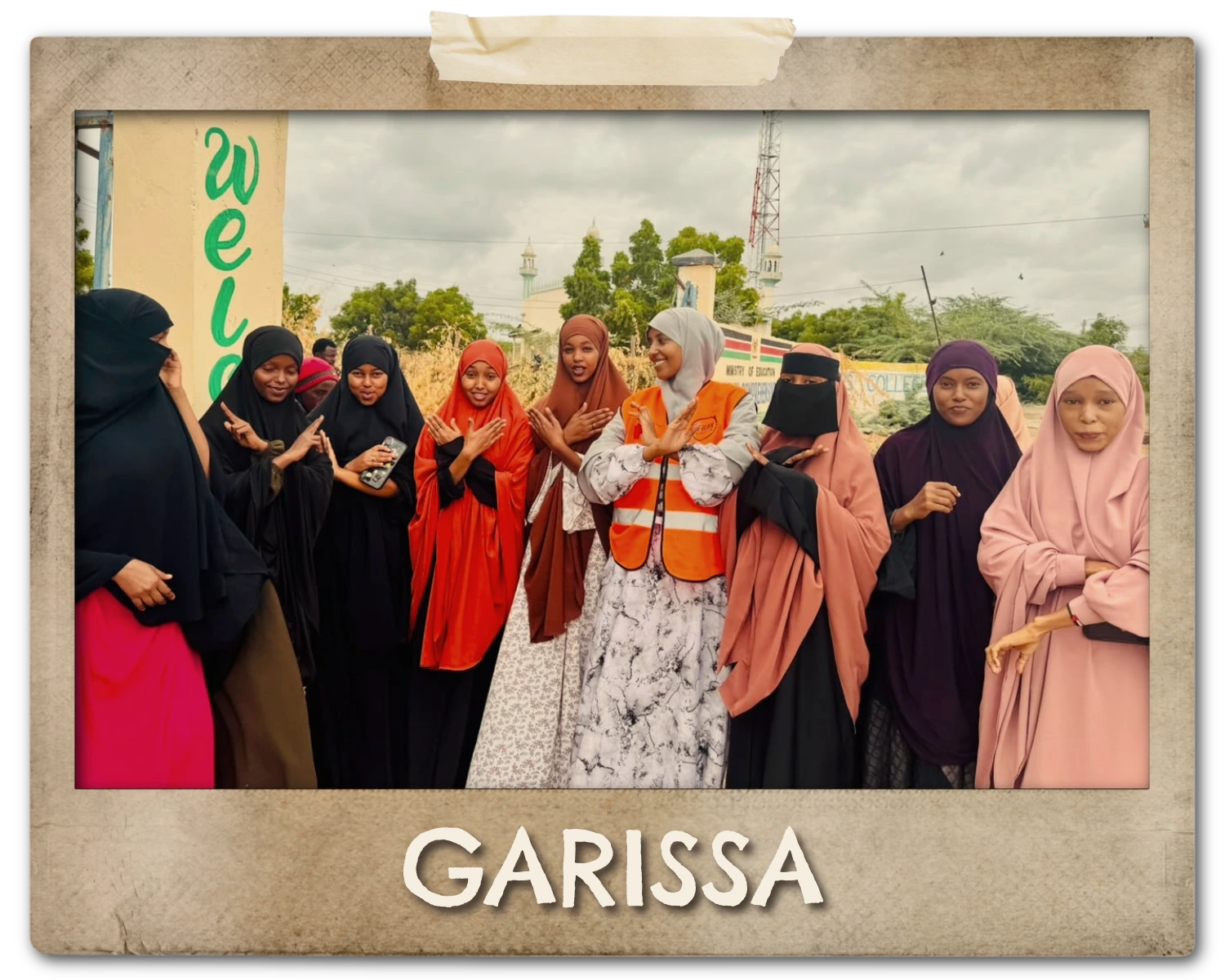
Girlkind Kenya is leading the Born Perfect Caravans across Garissa County, where more than 80% of women and girls undergo FGM.
The first phase brought together religious leaders, survivors, law enforcement and local activists, with religious leaders publicly rejecting the misconception that FGM is a religious requirement. The campaign continues over the coming months as the Caravans reach new towns and villages across the county.
The first phase of the Born Perfect Caravan: From Law to Practice has been supported by the German Embassy Nairobi, enabling grassroots organisations in Somalia and Kenya to lead this campaign.
Dhusamareeb → Guriel → Adado → Abudwaq →Balanbale. This builds directly on the existing Dhusamareeb programme, extending the caravan into neighbouring districts across Galgaduud region.
Balad-Xaawo → Dollow→ Luuq. These districts border both Kenya and Ethiopia. These districts can therefore be strategically linked with neighboring border areas, including Mandera County in northern Kenya and Dolo Ado in Ethiopia, to facilitate coordinated cross-border interventions and strengthen regional collaboration.
Garissa Township → Balambala → Lagdera → Dadaab → Fafi → Ijara, covering all six Garissa sub-counties and reaching both urban centres and the more remote, refugee-hosting and pastoralist areas.
Wajir Town → Griftu → Habaswein → Eldas → Bute → Tarbaj → Khorof Harar, covering all six Wajir sub-counties (Wajir East, West, North, South, Tarbaj, Eldas) and extending the momentum already built by the German Embassy-backed launch.
Jijiga → Kebri Beyah → Awbare → Tuli Guled → Harshin → Gursum → Babile, looping back through Jijiga. This corridor covers the largest population centre in the Somali Region, and the highest prevalence of Type III FGM in the whole region.
Mandera Township →Livestock market →Neboi→Kerow → Sala →Rhamu.
Semera/Asayita → Dubti → Afambo → Mille → Chifra. Afar communities also record some of the highest FGM prevalence in Ethiopia; this route is proposed as a possible extension corridor, sharing logistics with the Fafan Zone route, subject to partner capacity and funding.